
Dentist Centreville VA | Dry Mouth – Not Just a Nuisance

Centreville, VA Dentist

Dentist Near Me

Normal flow of saliva provides lubrication for swallowing and begins the process of digestion while you chew. Saliva also protects your teeth by neutralizing and washing away acids, sugars, and other particles left behind after eating. From time to time, we all experience some amount of dry mouth. Hot weather, exercise, and dehydration can all cause a temporary decrease in saliva production. However, if you have chronic dry mouth, or xerostomia, you could be at risk of serious oral health complications.

Some of the oral health issues commonly associated with dry mouth include:

• Much higher rates of tooth decay
• Oral yeast infection
• Bad breath (halitosis)
• Periodontal (gum) disease
• Constant sore throat
• Soft tissue infections
• Difficulty swallowing
• Denture discomfort

The most common cause of chronic dry mouth is medication. More than 400 over-the-counter and prescription medications include dry mouth as a frequent side effect. Dry mouth is also associated with stress, autoimmune and other systemic diseases, hormonal changes, radiation or chemotherapy treatment for cancers, and salivary gland disease.

You may find relief from dry mouth through a variety of methods. Some easy options to help alleviate your dry mouth include:

• Increased water intake
• Sugar-free candies or gum
• Artificial saliva, as recommended by doctor or dentist
• Alcohol-free mouthwash
• Limiting alcohol, caffeine, and carbonated soft drinks
• Use a humidifier to add moisture to the air in your home
• Change in medication, only as directed by doctor

Brush and floss regularly to help prevent tooth decay, gum disease, and other complications.

If you are experiencing dry mouth, make an appointment and be sure to tell our team. We will review your medications and perform a thorough dental exam to check for any potential underlying oral health issues.

For more information about dry mouth, contact our office.

Contemporary Dentistry of Virginia
5703 Centre Square Drive, Centreville, VA 20120
(703) 968-7022

Dentist Centreville | Oral Hygiene at Work

Centreville, VA Dentist

Dentist Near Me

Do you brush your teeth after lunch? If you’re one of the millions of people who work outside the home, chances are you don’t have the time or resources to brush during the day. However, not being able to brush doesn’t mean you can’t protect your teeth at work.

Grab a drink of water. When you finish eating, get a drink of water. Swish the water around in your mouth, then spit or swallow it. Water helps to remove small particles of food that can remain on your teeth after your meal or snack.

Chew sugarless gum. There are certain types of sugarless gum that are approved by the American Dental Association (ADA) as good for your oral health. The reason for this is that chewing stimulates the production of saliva in your mouth. That saliva washes away food particles and helps to neutralize acids on your teeth.

Limit time drinking coffee or soda. Coffee, soda, tea, and many other beverages contain high levels of sugars and acids. The more time you spend sipping your drink, the longer your teeth are exposed to these sources of decay. Instead of spending an hour taking small swallows, drink quickly to limit exposure, then rinse your mouth or switch to water to help counteract the effects.

Brush and floss when you can. Try to keep to a regular routine of good oral hygiene practices when you are at home. Brush at least twice daily, for two full minutes each time. Floss or use an interdental cleaner of your choice once a day. Keep your recommended appointments to have your teeth cleaned and evaluated by our team.

Taking care of your teeth doesn’t have to interrupt your workday. Keeping these simple tips in mind can help protect your mouth from tooth decay, periodontal disease, and other oral health issues.

To learn more ways to preserve your oral health, talk to our team during your visit. Contact our office to schedule your next appointment today.

Contemporary Dentistry of Virginia
5703 Centre Square Drive, Centreville, VA 20120
(703) 968-7022

Dentist 20120 | Healthy is the New Beautiful

Centreville, VA Dentist

Dentist Near Me

Cosmetic dentistry has been around for ages. We’ve noticed that now, more than ever, people are concerned with overall wellness in addition to a beautiful smile. In past years, we had many patients come to us seeking whitening and seeming unconcerned with ridding their smile of infection and decay.
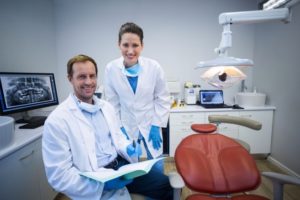
More recently, however, mainstream news has joined our efforts to educate the public on the oral & overall health connection. This has led to patients seeking care that will contribute to overall wellness. We’ve experienced a surge in questions such as:

Does periodontal disease really increase my odds of heart disease?

Does untreated decay lead to root canal therapy and risk eventual loss of the tooth?

Do oral lesions signify potential oral cancer? How is that screened and treated?

This increase in “Dental IQ” is leading to more comprehensive care for our community. It’s allowing us to provide dentistry which we know is in the best interest of our patients. Dentistry is not only about the aesthetic appeal of your smile. As many of our patients have been learning, valuable overall health benefits go hand-in-hand with preventive and restorative dental care.

If you’re seeking a dentist that contributes to your overall health and wellness, contact us today.

Contemporary Dentistry of Virginia
5703 Centre Square Drive, Centreville, VA 20120
(703) 968-7022

Dentist 20120 | Do I Really Need an Exam?

Centreville, VA Dentist

It’s highly likely that after visiting our practice, you understand the value of a thorough, professional dental cleaning. It’s also likely that you may not fully understand the importance of a complete exam and radiographs.


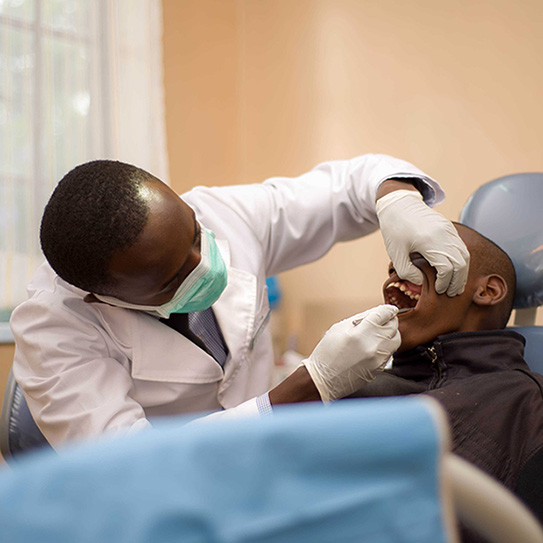
There are many reasons the exam is an important part of your oral health routine.

1. Exams allow the doctor to evaluate for signs of health conditions. Many health conditions present early signs and symptoms in the mouth, including: Crohn’s, Addison’s, Leukemia, Diabetes, Lupus, Anemia and many others. Skipping an exam could prevent your dentist from screening for oral manifestations of systemic disease.

2. According to research, one American dies every hour from oral cancer. A thorough complete examination can catch early signs of oral cancer, allowing for early treatment, which can be key to survival.

3. Periodontal disease is the leading cause of tooth loss and is related to serious systemic health conditions such as heart disease and stroke, among many others. Evaluating your soft tissue and bone health allows our team to identify early signs of periodontal disease, which can allow for prevention and early treatment. This is vital for your oral and overall health.

4. Radiographs provide valuable insight. Decay and other oral health issues are often hidden from the human eye. Radiographs (X-Rays) allow us to find what we could not otherwise see, allowing for early treatment and less invasive solutions.

Whether it has been 6 months or 6 years since your last appointment, please do not hesitate to contact us. We’re here for you and your heath and comfort are our main concerns.

Contemporary Dentistry of Virginia
5703 Centre Square Drive, Centreville, VA 20120
(703) 968-7022

Family Dentist in Centreville | Five Types Of Dental Fillings

Centreville, VA Dentist

IT’S NEVER A GREAT feeling when the dentist tells you that you have a cavity, especially when you’ve been diligently brushing and flossing to keep your teeth healthy. The next step after a cavity is discovered is typically a dental filling. Fillings come in several different materials that have their own advantages and disadvantages, so let’s take a look!

1. The Classic: Amalgam Fillings

Amalgam fillings are what you might think of as “silver” dental fillings, though they’re actually composed of a mixture of tin, copper, silver, and mercury. They have been used for over 150 years! The reason dentists have been using them for so long is that they are strong and long-lasting, and they are also the least expensive option. However, they’re very noticeable and tend to darken over time, so if you want something that blends in, amalgam fillings probably aren’t the ones you want.

2. Low Profile: Composite Fillings

Composite dental fillings are made of acrylic resin and powdered glass. Unlike amalgam fillings, they can be colored to match your teeth, which is part of what makes them so popular. They do wear out faster, though, and aren’t always the best choice for teeth that take the greatest chewing pressure.

3. Putting On The Ritz: Gold Fillings

Gold fillings aren’t made of pure gold, just like amalgam fillings aren’t made of pure silver, but they are some of the most durable fillings available, capable of lasting more than two decades. They can’t corrode like amalgam fillings, and they’re very strong. Unfortunately, they are also very expensive, costing between six and ten times more than amalgam fillings.

4. Delicate Yet Realistic: Ceramic Fillings

Ceramic fillings are mostly made of porcelain. This makes them another low-profile option, and not only are they tooth-colored, they’re also stain-resistant! The drawbacks of ceramic fillings are that they are more brittle than composite fillings, and they are also nearly as expensive as gold.

5. Down To The Roots: Glass Ionomer Fillings

The final type of filling is resin or glass ionomer fillings. These are made of acrylic and fluoroaluminosilicate, a component of glass. They are typically used as cement for inlay fillings, for fillings in the front teeth, and for fillings when the decay extends into the root of the tooth. They are also used on baby teeth. Weaker than composite resin, glass ionomer fillings might only last around five years, and they don’t match the color of teeth as closely.

No matter what filling you get, your tooth will still need plenty of love and care!

Bring Your Questions To The Experts!

Still have questions about the different types of fillings? Just ask us! You should also come see us if you’ve noticed any problems with existing fillings, such as damage or a separation between the filling and the tooth. A loose or damaged filling could lead to worse complications for the tooth, so don’t wait to schedule your appointment!

We love our patients!

Top image by Flickr user jshj used under Creative Commons Attribution-Sharealike 4.0 license. Image cropped and modified from original.
The content on this blog is not intended to be a substitute for professional medical advice, diagnosis, or treatment. Always seek the advice of qualified health providers with questions you may have regarding medical conditions.

Centreville VA Dentist | Night Guards For Teeth Grinding

Centreville, VA Dentist

HAVE YOU EVER woken up with a sore jaw, tooth pain, or a headache? These are common symptoms of sleep bruxism, or teeth-grinding. The American Dental Association estimates that 10-15 percent of adults struggle with sleep bruxism, and children can experience it too. Because it happens during sleep, it can be difficult to control or stop. One way to protect the teeth from the damaging effects of grinding is to wear a night guard.

What Night Guards Are

Night guards come in hard, medium, and soft varieties, with the soft ones resembling mouth guards for sports and hard ones resembling clear plastic retainers, though they’re much sturdier and you usually only need one for the upper teeth. Wearing a night guard provides a cushioning effect so that the upper and lower teeth can’t wear away at each other. It will protect your teeth from external damage caused by grinding, such as chipping and erosion, but as long as the grinding still happens, other symptoms like jaw pain may not change.

What Night Guards Are Not

While hard night guards might look like retainersthey are not necessarily interchangeable. You should never use a normal retainer as a night guard, because it doesn’t have the necessary thickness to withstand the pressure. You should also be careful about using night guards as retainers. If you have a hard night guard that is properly fitted to your teeth, it can serve as a retainer, but a soft night guard won’t prevent your teeth from shifting.

Where To Get Yours

You can either buy your night guard over-the-counter or get a custom night guard from the dentist. A typical over-the-counter night guard requires you to shape it to your teeth by boiling it, allowing it a moment to cool, and then gently biting into it. If you obtain your night guard through your dentist, the added comfort and quality will be worth the greater price. These night guards are made in a laboratory from an impression of your teeth taken by dental professionals.

Cleaning And Storing Your Night Guard

If you don’t want to end up with a night guard that is smelly and gross, it’s important to clean and store it correctly. Always rinse your night guard after you take it out, then brush it with your toothbrush (but no toothpaste). In order to prevent bacterial growth, a night guard should never be stored wet, so give it time to air dry before placing it in its case, and it might be better to leave it on the nightstand instead of in the bathroom.

Ask Us About Your Night Guard

If you think you might have bruxism, don’t wait; come talk to us about it. We can get you your perfect night guard, and we can also help you with other methods of reducing the symptoms, such as discussing ways to reduce stress levels and recommending an orthodontist if misaligned teeth are contributing to the grinding.

Thank you for trusting us to take care of your dental needs!

Top image used under CC0 Public Domain license. Image cropped and modified from original.
The content on this blog is not intended to be a substitute for professional medical advice, diagnosis, or treatment. Always seek the advice of qualified health providers with questions you may have regarding medical conditions.

Cosmetic Dentist in Centreville VA | Fighting Back Against Oral Cancer

Centreville, VA Dentist

ORAL CANCER IS A SUBJECT we’d all prefer not to have to think about, but it’s critical to have a basic understanding of risk factors and symptoms. More than 50,000 people in the U.S. were diagnosed with oral cancer last year, and that number is expected to rise. That’s why, in honor of Oral Cancer Awareness Month, we’re dedicating a blog post to giving our patients the tools they need for early detection.

Oral Cancer Risk Factors

There are several risk factors that increase a person’s chances of developing oral cancer. Some of them are out of our control, such as age and sex. Men are twice as likely as women to develop oral cancer, and it is far more common in people over 45. But there are plenty of risk factors that we can control, the biggest of which is tobacco. A whopping 85 percent of oral cancer cases are linked to some kind of tobacco use (even e-cigarettes). The next biggest avoidable risk factor is frequent, heavy alcohol consumption.

A few of the less-obvious risk factors include getting too much sun (which can cause lip cancer), HPV, and neglecting your oral hygiene, particularly if you also smoke. You can eliminate this risk factor by brushing twice a day, flossing daily, and scheduling regular dental appointments!

Symptoms To Watch Out For

Unfortunately, even people with none of these risk factors will sometimes develop oral cancer anyway, which is why it’s important to be able to recognize the symptoms, which include:

  • A sore in the mouth or on the lip that doesn’t heal
  • Red or white patches inside the mouth
  • Unusual lump on lip, mouth, neck, or throat, or strange thickness in the cheek
  • Persistent sensation of having something stuck in the throat
  • Numbness of mouth or tongue
  • Difficulty with chewing or swallowing
  • Chronic bad breath

If you do have one or more of the risk factors for oral cancer, getting regular general health screenings can catch it before you even notice any symptoms. The earlier oral cancer is caught, the easier it is to beat it.

Where Does The Dentist Fit In?

Another way oral cancer is caught early is at regular dental exams! In addition to checking your teeth for cavities and your gums for signs of gum disease, we can spot many of those early symptoms of oral cancer while we’re looking at your mouth, which is just one more reason why it’s so important to keep scheduling your dental appointments!

Even if you don’t have oral cancer or any of the risk factors, you can still help the people who are fighting this disease. Ask us how you can get involved!

We look forward to seeing you soon!

Top image used under CC0 Public Domain license. Image cropped and modified from original.
The content on this blog is not intended to be a substitute for professional medical advice, diagnosis, or treatment. Always seek the advice of qualified health providers with questions you may have regarding medical conditions.

Contemporary Dentistry of Virginia | The Different Types Of Teeth

Centreville, VA Dentist

YOU’VE PROBABLY NOTICED that your teeth aren’t all the same shape, but do you know the reason? Humans have four different types of teeth, and they each serve specific purposes, both in helping us chew and in giving us our beautiful smiles!

Types Of Teeth And What They Do

The reason we need so many different types of teeth is that we are omnivores, which means we eat both plants and meat. We need teeth that can handle all of our favorite foods!

Incisors

At the very front of the mouth, the top four and bottom four teeth are the incisors. The middle ones are central incisors, while the ones on the sides are lateral incisors. Incisors are built for slicing. When we take a bite out of an apple, for instance, our incisors shear off a tasty chunk of fruit, but they aren’t the teeth we actually chew with.

Canines

Next to the lateral incisors are our canines, which are the sharpest and longest teeth in our mouths. This enables them to grip and tear food, particularly meat. Unlike incisors, we only have four canines. Their long roots and their position at the “corners” of our dental arches also make them some of the most important teeth in our smiles, because they provide much of the shape. Another name for canine teeth is eyeteeth. That might seem weird, but it’s because these teeth are directly beneath our eyes!

Premolars

After the canines, we have our premolars. You can think of premolars as hybrids between canines and molars. They have sharp outer edges, but they also have flat chewing surfaces, which means they can help the canines with tearing food and the molars with grinding it up. We don’t have any premolars as children; our eight adult premolars are actually the teeth that replace our baby molars!

Molars

Finally, we have the molars. Molars are our biggest teeth, with multiple roots and large, flat chewing surfaces. We have eight baby molars and up to twelve adult molars, depending on whether or not we have and keep our wisdom teeth. Molars are the teeth that do most of the chewing, because those flat surfaces are perfect for grinding and crushing food until it’s ready to be swallowed.

What About Herbivores And Carnivores?

Our teeth are the way they are because we’re omnivores. Herbivores (plant-eaters) and carnivores (meat-eaters) have very different teeth. Herbivores typically have chisel-like incisors and large, flat premolars and molars for chewing plants, while their canines are small, if they have them at all. Carnivores tend to have much bigger canine teeth than we do, but their incisors are much smaller, and while they still have premolars and molars, they are often serrated like knives, built for shredding rather than grinding.

Biannual Visits

What do all four types of your teeth have in common? They need regular attention from a dentist! Keep bringing those incisors, canines, premolars, and molars to see us every six months so that we can make sure they’re all staying healthy. In the meantime, you can do your part by remembering to brush twice a day, floss daily, and cut back on sugary treats!

We look forward to seeing you again!

Top image by Flickr user _zhang used under Creative Commons Attribution-Sharealike 4.0 license. Image cropped and modified from original.
The content on this blog is not intended to be a substitute for professional medical advice, diagnosis, or treatment. Always seek the advice of qualified health providers with questions you may have regarding medical conditions.

20120 Dentist | 4 Tips for Healthy, White Teeth

Centreville, VA Dentist

Centreville Dentist

Your smile is one of the first things that people notice about you. One way to make a lasting impression is to have a healthy-looking smile. Over the years, teeth whitening has become immensely popular. People turn to in-office whitening, over-the-counter whitening, and home-made whitening techniques. Did you know that there are ways to keep your smile white with just small changes to your daily routine? Read the tips below to keep your smile looking pearly white.

  1. Brush and Floss

To keep your mouth clean, healthy, and stain-free, brush and floss your teeth at least twice a day. Brush your teeth after drinking coffee, tea, soda, or red wine to help fight discoloration.

  1. Diet

Some of the food and drinks you are consuming may cause your teeth to look dull or stained. Wine, coffee, tea, soft drinks, and berries all contain substances that stain teeth. Chromogens are molecules found in all of these items that stick to the enamel of your teeth causing a dull look.

  1. Quit Smoking

Smoking is not only bad for your heart and lungs, it is also bad for your mouth and teeth. Smoking causes tooth discoloration, increased plaque buildup, gum disease and more.

  1. Visit Your Dentist

Dental cleanings and exams are an important part in keeping your teeth healthy and bright. You may need frequently follow up visits based on your oral health care. Don’t forget to schedule an appointment twice a year.

Even if you do use in-office whitening or over-the-counter products, your teeth need extra care to keep up with the initial results. By flossing, lifestyle changes, and regular dental visits your teeth will be looking bright.

Call our office to schedule your dental cleaning today.

5703 Centre Square Drive
Centreville, VA 20120
(703) 968-7022

Dentist in Centreville | Oral Health and Cancer

Centreville, VA Dentist

Centreville Dentist

There are over 12 million new cases of cancer diagnosed each year. There are a large variety of different kinds of cancer, some of which are more preventable than others. It might seem obvious that brushing and flossing each day as well as avoiding tobacco can help protect you from oral cancer. However, there are types of oral cancer and other cancers that can be prevented through optimal oral care as well.

Dental Care and Oral Cancer

While it’s long been known that tobacco and heavy alcohol use are the main causes of oral, head, and neck cancer, poor oral health has recently been added to the list. A 2007 study published in American Journal of Epidemiology found that poor mouth health and missing teeth were strongly linked to the development of oral cancer. Likewise, patients with healthy smiles were found to be far less likely to develop oral cancer. If you have been diagnosed with oral cancer, know that common oral health problems such as gum disease and tooth decay could be making the condition worse. Visiting our dental office regularly for professional cleanings, examinations, and oral cancer screenings to help catch signs of oral cancer early and make treatment easier and more effective.

Oral Health and Other Cancers

Poor oral health has been shown to be tied to other types of cancers outside of the mouth. For example, a recent study conducted by NYU Langone Health’s Perlmutter Cancer Center found that certain types of bacteria in patients with gum disease was tied to a higher risk of developing esophageal cancer. While esophageal cancer only accounts for 1% of new cancer cases diagnosed annually, over 90% of patients will die of the disease. Untreated gum disease opens up the tissues around the teeth to bacterial infection, allowing these harmful bacteria to enter the bloodstream and infect other parts of the patient’s body. Maintaining optimal oral health can help protect you from this threat.

Your oral health effects much more than just your mouth. If you’re not taking care of your teeth, tongue, and gums, you could significantly increase your risk of developing cancer without even realizing it. If you’d like to learn more about the connection between oral health and cancer, contact our dental team to schedule an examination and cleaning today!

5703 Centre Square Drive
Centreville, VA 20120
(703) 968-7022