
Dentist Near Me
 Coffee is well-known as hazardous to teeth, but there are things you can do besides cut it out completely. Here are some things to know about coffee’s effects on your oral health and diet, as well as how to mitigate them.
Contrary to popular belief, the pigments that give coffee its color can stain your teeth regardless of whether you take your coffee black or with cream. These pigments embed themselves in microscopic crevices and pits in your tooth enamel and are difficult to remove. To counteract this, don’t give the pigments time to set. When drinking coffee, drink quickly instead of sipping over a long period. Enjoy, then rinse your mouth with water to help neutralize the acid. In addition, following your recommended schedule of dental cleanings can help prevent stains. Whitening can improve the color of your teeth if mild staining has started. Ask our doctor how best to keep your smile bright.
Coffee can have minor benefits for your nutrition, but there are also things to beware. Drinks that are high in dairy fat or sugar can add substantial calories, as well as contributing to the chance of tooth decay. Try making your own coffee at home, where you can control the ingredients used. Minimize your use of creamer and sugar, or try using non-fat or sugar-free substitutes.
Coffee can still be a healthy party of your life if you take some care to protect your teeth. For more tips or to schedule a professional cleaning, contact our office.
5703 Centre Square Drive
Centreville, VA 20120Email: info@contemporarydentistrycv.com
Phone: (703) 968 7022
 Radiographs, or x-rays, provide important diagnostic information for your dentist, allowing for proper and accurate treatment. The technology behind radiographs has improved rapidly over the last few decades, becoming safer, more accurate, and easier to use. Read our guide on what makes dental radiographs an important step to protecting your oral health.
 Tooth decay is the most common chronic disease for children and adolescents. About ¼ of children and more than half of teens currently have this illness. Additionally, the Centers for Disease Control and Prevention (CDC) reports that 90% of adults over age 20 have some amount of tooth-root decay. However, tooth decay is highly preventable. By providing effective dental care during childhood, better long-term oral health may be achieved.
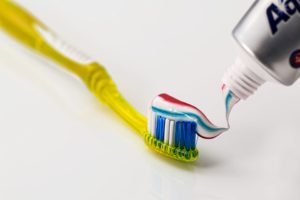 When buying a toothbrush, toothpaste, or coming in to our office, you often hear the word “plaque” associated with the health of your teeth. Plaque is one of the main reasons why it is so important to keep up with a daily oral hygiene routine that includes brushing two times each day for at least two minutes, and flossing regularly as well. Here’s what you need to know about plaque and what it can do to your smile.
 Oral health is important at every stage in life. Just because your children are going to lose their primary (baby) teeth eventually doesn’t mean that we can ignore the importance of dental care. Tooth decay can be painful and uncomfortable to treat. To protect your child’s smile, it is vital to understand optimal preventive care.
 Dentist Near Me
 The year is closing and holidays are on the horizon. Are you planning year-end travel or a last-minute getaway? Before heading out on your next adventure, make sure you are prepared with these 3 quick tips for maintaining optimal dental health during travel.
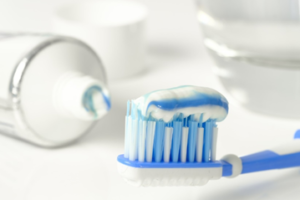 Brushing your teeth is the cornerstone of your oral health care – but is there room for improvement? Use our guide to determine if you’ve fallen into these common brushing habit mistakes, so you can keep your smile healthy and bright.
 Keeping up optimal oral health takes more than brushing and flossing. Maintaining oral hygiene demands a bit of work, but it is worth it in the long run. Here are four ways you can improve your dental health right now.
 You may not realize it, but you could be at risk of developing an unsightly medical condition known as hairy tongue. While it is harmless in most cases, hairy tongue is still an unpleasant ailment. The causes are not always completely known, but practicing good oral hygiene at home and visiting our dental office for cleanings can help prevent the issue. Here’s what you need to know.