
Dentist Near Me

Your teeth age with you. It’s important to keep them strong and healthy even as you grow older. Seniors are at a higher risk for developing periodontal disease. In addition to getting a regular dental examination, here are some other tips to keep your teeth healthy.
Keep a Routine
Regardless of age, we cannot stress the importance of keeping up with a daily oral hygiene routine. Make sure you are brushing twice-daily and flossing at least once per day. For seniors with dentures, it is important that you remove them for at least four hours each day. We recommend removing them at night. Dentures need to be cleaned daily so make it part of your routine as well. We also suggest staying hydrated by drinking water. Not only does water help keep you producing enamel building saliva, but if it contains fluoride, it can help keep your teeth strong. Make a regular visit to our office part of your routine as well.
Tips for Caregivers
If you are the primary caregiver of someone elderly, working with them to keep their teeth healthy can be a challenge. It is up to you to remind them to brush and floss regularly. Help them by establishing a routine and set times for brushing their teeth. We ask that you assist them in making an appointment to visit our dental office. If keeping up with daily dental health seems to be too difficult, please contact our office. We can work with you to offer some advice and solutions.
Financial Assistance
For seniors in a nursing home that are enrolled in state or national financial programs, the American Dental Association (ADA) suggests considering the Incurred Medical Expense regulation. This works to assist in paying for care that is deemed a necessity. If our dentist finds that treatment must be done, consider this as an option to lessen the financial burden. Talk to your nursing home or care facility’s caseworker for more information.
Don’t Forget About Gums
Periodontal disease, or gum disease, can be brought on by certain medications. When you visit our office, be sure to update us on any changes to your medications. At times, early periodontal disease is painless which makes it even more important that you keep a regular routine of visiting our office for a thorough exam and evaluation. According to the ADA, more than 47% of adults over the age of 30 have chronic periodontitis.
Keeping your teeth healthy as you age can be difficult. We suggest sticking to a daily routine in terms of brushing and flossing, and keeping up with regular visits to our office. If you are the caregiver of an elderly spouse, parent, or loved one, do not overlook their oral health. Make sure they are receiving the needed attention and are sticking to a daily oral healthy routine.
For more tips on keeping your teeth health or to set up your next appointment, please contact our office.
5703 Centre Square Drive
Centreville, VA 20120
Phone: (703) 968 7022
 Between Halloween and Christmas, there are numerous tasty treats and foods to enjoy. For many people, food is the highlight of the holiday season. However, certain foods and candies are particularly damaging to your teeth. If you want to keep your smile looking healthy into the new year, here are some tips.
 Periodontal disease and Rheumatoid Arthritis (RA) share a complex relationship with one another. Both of these chronic conditions cause increased inflammation in the body. Both can lead to serious damage, especially if a patient does not seek prompt, effective treatment. However, the connection between these potentially destructive illnesses does not end with similarity of symptoms. If you have either periodontal disease or RA, you may benefit from learning more about the links between the two.
 Coffee is well-known as hazardous to teeth, but there are things you can do besides cut it out completely. Here are some things to know about coffee’s effects on your oral health and diet, as well as how to mitigate them.
 Tooth decay is the most common chronic disease for children and adolescents. About ¼ of children and more than half of teens currently have this illness. Additionally, the Centers for Disease Control and Prevention (CDC) reports that 90% of adults over age 20 have some amount of tooth-root decay. However, tooth decay is highly preventable. By providing effective dental care during childhood, better long-term oral health may be achieved.
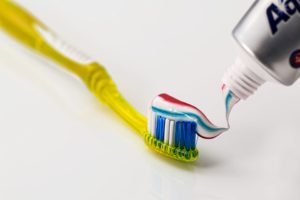 When buying a toothbrush, toothpaste, or coming in to our office, you often hear the word “plaque” associated with the health of your teeth. Plaque is one of the main reasons why it is so important to keep up with a daily oral hygiene routine that includes brushing two times each day for at least two minutes, and flossing regularly as well. Here’s what you need to know about plaque and what it can do to your smile.
 Oral health is important at every stage in life. Just because your children are going to lose their primary (baby) teeth eventually doesn’t mean that we can ignore the importance of dental care. Tooth decay can be painful and uncomfortable to treat. To protect your child’s smile, it is vital to understand optimal preventive care.
 The year is closing and holidays are on the horizon. Are you planning year-end travel or a last-minute getaway? Before heading out on your next adventure, make sure you are prepared with these 3 quick tips for maintaining optimal dental health during travel.
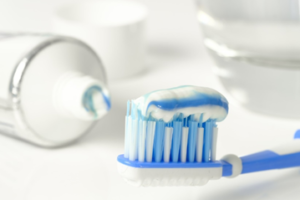 Brushing your teeth is the cornerstone of your oral health care – but is there room for improvement? Use our guide to determine if you’ve fallen into these common brushing habit mistakes, so you can keep your smile healthy and bright.
 Keeping up optimal oral health takes more than brushing and flossing. Maintaining oral hygiene demands a bit of work, but it is worth it in the long run. Here are four ways you can improve your dental health right now.