
Dentist in Centreville
 Periodontal disease and Rheumatoid Arthritis (RA) share a complex relationship with one another. Both of these chronic conditions cause increased inflammation in the body. Both can lead to serious damage, especially if a patient does not seek prompt, effective treatment. However, the connection between these potentially destructive illnesses does not end with similarity of symptoms. If you have either periodontal disease or RA, you may benefit from learning more about the links between the two.
Periodontal disease is an inflammation of the gum tissue in the mouth. Patients with periodontal disease most often experience swelling, redness, sensitivity, and/or painful, bleeding gums. They will develop pockets where the gums begin to pull away from the teeth. These pockets are more difficult to properly clean, so are more prone to infection and bacteria that cause tooth decay. If not treated regularly, periodontal disease will worsen over time and can lead to tooth and bone loss.
RA is a chronic autoimmune disease where the protective immune response is triggered when no harmful viruses or bacteria are present. With no pathogens to attack, the white blood cells instead attack the joints, leading to pain, swelling, stiffness, and eventually deterioration of the joints. Since RA often affects the small joints of the hands and wrists, many patients have difficulty maintaining proper brushing and flossing habits. With less effective dental hygiene, patients with RA are at increased risk of developing, or worsening, periodontal disease.
Moreover, in a recent study, scientists looked at the effects of the bacterium porphyromonas gingivalis, which causes periodontal disease. They found that this bacterium can lead to earlier onset, more rapid progression of symptoms, and increased severity of RA. Fortunately, it was also discovered that successful treatment for periodontal disease can reduce RA pain and other symptoms.
If you have RA and are having difficulty maintaining your oral hygiene due to stiff, painful joints, consider these simple ideas:
- Add a tennis ball or bicycle handlebar grip to make your toothbrush easier to hold.
- Try replacing ordinary string floss with a water flosser that may be easier to hold and manipulate.
- Use a pump-style toothpaste dispenser to avoid the need to squeeze and roll a small tube.
- Have professional cleanings at least 2-3 times each year.
- Schedule a periodontal screening annually.
- Ask your dental hygienist for more ideas on making your daily regimen work for you.
For more information regarding periodontal disease and rheumatoid arthritis, contact our office to schedule a consultation.
5703 Centre Square Drive
Centreville, VA 20120
Email: info@contemporarydentistrycv.com
Phone: (703) 968 7022
 Coffee is well-known as hazardous to teeth, but there are things you can do besides cut it out completely. Here are some things to know about coffee’s effects on your oral health and diet, as well as how to mitigate them.
 Tooth decay is the most common chronic disease for children and adolescents. About ¼ of children and more than half of teens currently have this illness. Additionally, the Centers for Disease Control and Prevention (CDC) reports that 90% of adults over age 20 have some amount of tooth-root decay. However, tooth decay is highly preventable. By providing effective dental care during childhood, better long-term oral health may be achieved.
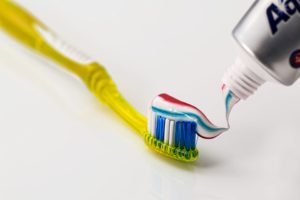 When buying a toothbrush, toothpaste, or coming in to our office, you often hear the word “plaque” associated with the health of your teeth. Plaque is one of the main reasons why it is so important to keep up with a daily oral hygiene routine that includes brushing two times each day for at least two minutes, and flossing regularly as well. Here’s what you need to know about plaque and what it can do to your smile.
 The year is closing and holidays are on the horizon. Are you planning year-end travel or a last-minute getaway? Before heading out on your next adventure, make sure you are prepared with these 3 quick tips for maintaining optimal dental health during travel.
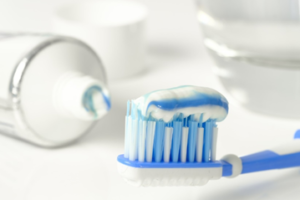 Brushing your teeth is the cornerstone of your oral health care – but is there room for improvement? Use our guide to determine if you’ve fallen into these common brushing habit mistakes, so you can keep your smile healthy and bright.
 Keeping up optimal oral health takes more than brushing and flossing. Maintaining oral hygiene demands a bit of work, but it is worth it in the long run. Here are four ways you can improve your dental health right now.
 You may not realize it, but you could be at risk of developing an unsightly medical condition known as hairy tongue. While it is harmless in most cases, hairy tongue is still an unpleasant ailment. The causes are not always completely known, but practicing good oral hygiene at home and visiting our dental office for cleanings can help prevent the issue. Here’s what you need to know.
 Men, dental examinations and treatment are important for you, too. Did you know according to the Academy of General Dentistry (AGD), by age 72 men lose an average of 5 teeth? That number jumps to 12 if you are also a smoker. Here’s what you need to know about keeping your mouth healthy. Follow these tips and you can beat the odds stacked against men and their oral health.