
Dentist Near Me

Periodontal (gum) disease is a progressive inflammation of the gum tissues. It is most frequently caused by bacterial infection. Left untreated, gum disease can have serious consequences for your oral and overall health. However, one of the biggest challenges for early detection and treatment of gum disease is its silence. Gum disease can often begin and progress with few or no symptoms until reaching an advanced stage.
Gum disease is caused when the bacteria found in plaque builds up between the teeth and the gums. As the bacteria grow, the gums can become inflamed and pull away from the teeth. When gum disease is not treated promptly, it can worsen, leading to increased gum recession, infection, and bone loss. In addition, periodontal disease is the leading cause of tooth loss in adults.
Gum disease also impacts other aspects of your overall health. Research has found links between gum disease and diabetes, heart disease, stroke, and other serious inflammatory illnesses. To help prevent gum disease, ensure you are practicing strong oral hygiene habits, including brushing, flossing, use of mouthwash, and regular dental examinations. Be aware of your risk factors for developing gum disease, such as age, tobacco use, genetics, stress, medications, grinding, obesity, or other inflammatory diseases, among others. Consider having an annual periodontal evaluation.
While symptoms may not appear until later stages of the disease, it is important to watch for the warning signs of gum disease. Some of these include:
- Red, swollen, or tender gums
- Mouth pain
- Bleeding gums caused by brushing, flossing, or eating hard foods
- Loose or separating teeth
- Pus between gums or teeth
- Mouth sores
- Chronic bad breath
- Gums receding or pulling away from teeth
- Changes in your bite or the fit of dentures
Gum disease can start silently, but may cause great damage if left untreated. Once gum disease has started, it can be effectively treated, but not fully cured. Protect your oral and overall health with preventive care and regular periodontal screenings. For more information about gum disease or to schedule your periodontal screening, contact our office.
5703 Centre Square Drive
Centreville, VA 20120
Email: info@contemporarydentistrycv.com
Phone: (703) 968 7022


 Between Halloween and Christmas, there are numerous tasty treats and foods to enjoy. For many people, food is the highlight of the holiday season. However, certain foods and candies are particularly damaging to your teeth. If you want to keep your smile looking healthy into the new year, here are some tips.
 Periodontal disease and Rheumatoid Arthritis (RA) share a complex relationship with one another. Both of these chronic conditions cause increased inflammation in the body. Both can lead to serious damage, especially if a patient does not seek prompt, effective treatment. However, the connection between these potentially destructive illnesses does not end with similarity of symptoms. If you have either periodontal disease or RA, you may benefit from learning more about the links between the two.
 Coffee is well-known as hazardous to teeth, but there are things you can do besides cut it out completely. Here are some things to know about coffee’s effects on your oral health and diet, as well as how to mitigate them.
 Tooth decay is the most common chronic disease for children and adolescents. About ¼ of children and more than half of teens currently have this illness. Additionally, the Centers for Disease Control and Prevention (CDC) reports that 90% of adults over age 20 have some amount of tooth-root decay. However, tooth decay is highly preventable. By providing effective dental care during childhood, better long-term oral health may be achieved.
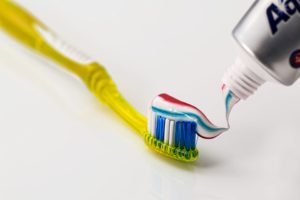 When buying a toothbrush, toothpaste, or coming in to our office, you often hear the word “plaque” associated with the health of your teeth. Plaque is one of the main reasons why it is so important to keep up with a daily oral hygiene routine that includes brushing two times each day for at least two minutes, and flossing regularly as well. Here’s what you need to know about plaque and what it can do to your smile.
 Oral health is important at every stage in life. Just because your children are going to lose their primary (baby) teeth eventually doesn’t mean that we can ignore the importance of dental care. Tooth decay can be painful and uncomfortable to treat. To protect your child’s smile, it is vital to understand optimal preventive care.
 Dentist Near Me